
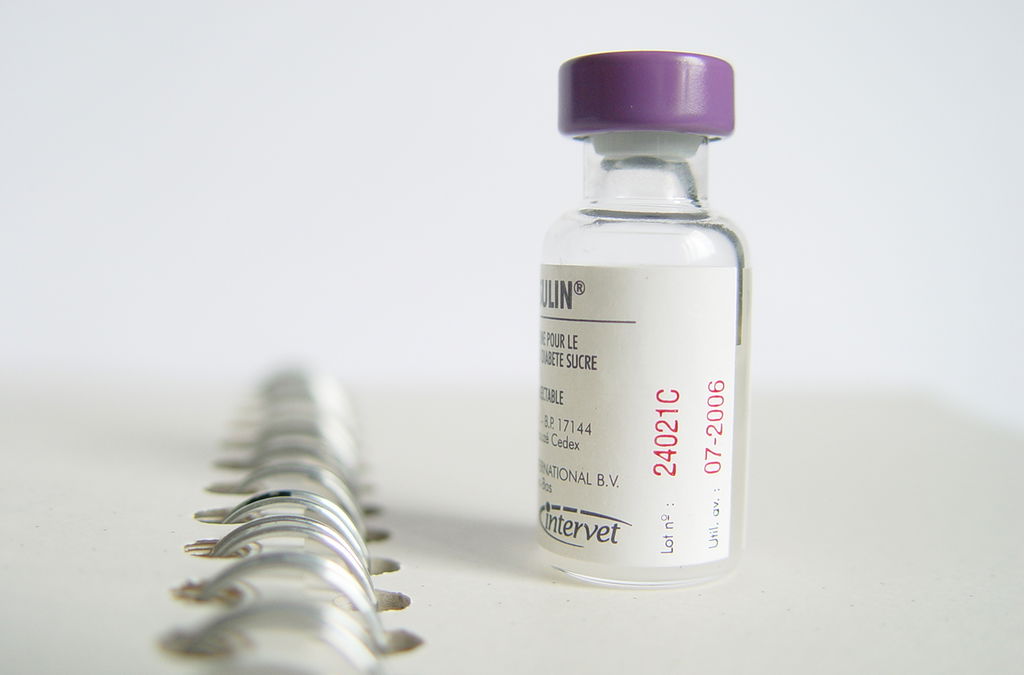
Understanding the Difference Between Type I and Type II Diabetes
This article is for anyone trying to better understand diabetes by understand the difference between type I and type II diabetes. The article also explains prediabetes.
Introduction
Diabetes is a condition where the glucose (blood sugar) is too high. Normally, when we eat food, the food is converted to glucose and so our blood glucose rises. Our pancreas then releases insulin in response to the elevated glucose. Insulin is a hormone that signals the muscles to consume the glucose. The muscles take the glucose from the blood and our glucose levels return to normal.
For people with diabetes, part of this process is not working correctly. The level of the glucose continues to rise. Elevated glucose can eventually cause complications like damage to the blood vessels and nerves.
But while the definition of diabetes is high blood glucose, knowing that someone is diabetic says nothing about why they are diabetic, or what sort of treatment might be helpful. In essence, elevated glucose is just a symptom. It tells us nothing about the underlying condition. In an effort to more precisely describe the actual condition, the terms type I and type II are used to describe the two main types of diabetes.
Type I Diabetes
Type I diabetes is where the body is unable to produce the insulin that is required. It is caused by an autoimmune condition where the body mistakenly attacks and destroys the parts of the pancreas the produce insulin. This usually happens early in life while a person is still a child.
Type I diabetes is fatal if not treated. Not only do glucose levels rise dangerously high, but the body cannot not get needed energy from food.
There is no cure for type I diabetes. Since the body cannot produce insulin, type I diabetes might gets regular shots of insulin to make up for the insulin their bodies cannot produce. Only through regular injections can a type I diabetic live a regular life.
Unfortunately, giving yourself shots of insulin does not have the precision that a working pancreas has. Even if they are diligent, a type I diabetic is prone to periods of high and periods of low glucose. It can be a constant battle to try and maintain normal glucose levels. Because of this, type I diabetics can still suffer health issues from the wild fluctuations in glucose levels.
Why some people have autoimmune conditions that cause them to become type I diabetics is not fully understood. Genetic factors exist, and so having family members with the condition can increase the risk. It is hypothesized that environmental factors can also affect the risks.
Type II Diabetes
By far, type II diabetes is the most common type of diabetes. Type II diabetes is often caused by a modern lifestyle of excess calories, unhealthy foods and a lack of exercise.
Type II diabetics--at least initially--still produce insulin. The problem is that their muscles don't respond to the insulin signal. Indeed, many diabetics produce far more insulin that a non-diabetic person as their body produces more in an effort to get the muscles to respond!
Only after years can the pancreas burn out and it become necessary for type II diabetics to have regular insulin injections. Sometimes, a type II diabetic will inject insulin to provide enough insulin for the muscles to respond. But this is a really unhealthy treatment as it doesn't treat the underlying condition and the excess insulin can start to cause problems of its own.
There are a number of medications for type II diabetics that try and improve the body's response to insulin. Unfortunately, most of these medications still do not address the underlying condition.
The ideal treatment for a type II diabetic is a healthy lifestyle. Starting a regular exercise program and eating healthy foods can often improve a type II diabetics health. Of particular importance is weight loss. Most type II diabetics are overweight. And losing fat--particularly belly fat-- can greatly improve the body's response to insulin. Indeed, a number of diabetics can actually reverse their type II diabetes if they make significant changes to their lifestyle.
Prediabetes
I should also mention prediabetes here. Prediabetes is also defined by elevated blood glucose. A person has prediabetes when their glucose is elevated but not high enough to be diabetic.
Since a type I diabetic will always be a full diabetic (there is no prediabetes when your pancreas cannot produce insulin), prediabetes is generally an indicator that a person is almost a type II diabetic. It is a red flag that signals metabolic health problems and is a call to take your health seriously and make some changes.
Summary
Diabetes says nothing about a person's condition except that their glucose is too high. Type I and type II diabetes are separate conditions that more accurately describe the reasons the glucose is too high, and what sort of treatment might be needed. Usually, when someone is diabetic, they have type II diabetes. But by using these terms, you can more accurately describe the condition.
Jonathan Wood is a software developer working out of Salt Lake City, UT as the owner of SoftCircuits. In 2007 he was diagnosed with diabetes. Since then, he has completely reversed his diabetes and he lost half his bodyweight in the process. These days, he hikes with his dog and plays guitar and bass when he has time. You can read more about his experience with diabetes in his short book, How I lost Half my Bodyweight: And Reversed my Type 2 Diabetes.
Related Articles

Understanding Diabetes
Diabetes is becoming an epidemic in developed nations due primarily to unhealthy diet and lifestyle. In this article, I'll explain the basics about what exactly diabetes is, and how you can avoid and even reverse it.

Weight Loss through Blood Sugar Control
Most people are taught that we lose or gain weight depending on the number of calories we consume and the number of calories we burn. But this is only part of the story.