
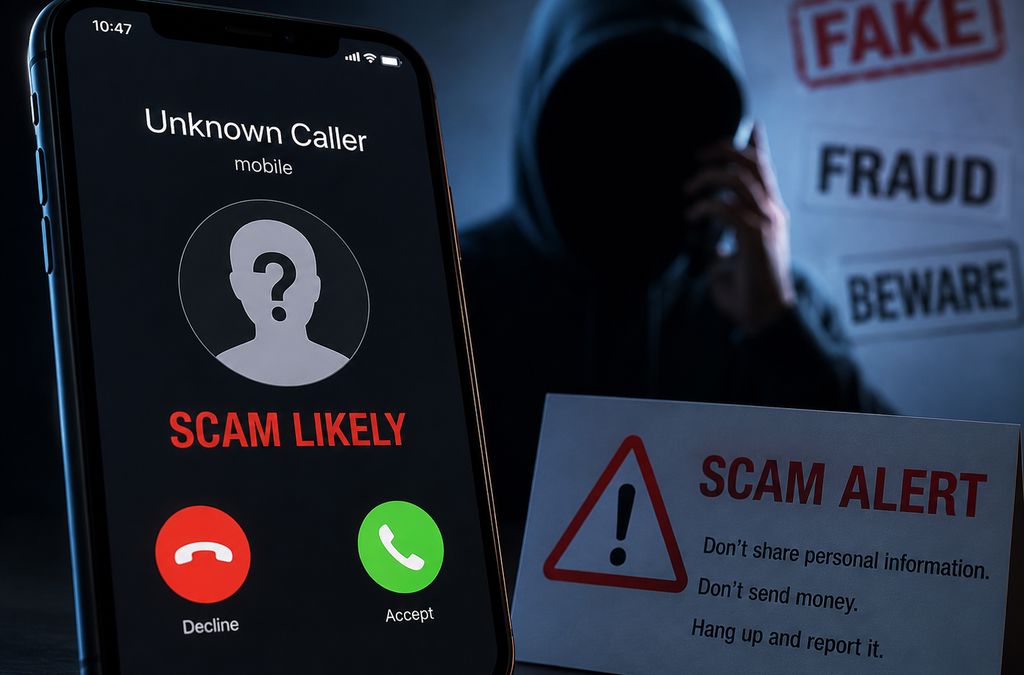
Scam Phone Calls: How to Spot Them, Understand Them, and Stay Safe
Imagine you're in the middle of your day when your phone rings. The caller ID shows your bank or a local number, or maybe it's "IRS" or a worried-sounding grandchild. You pick up, and before you know it, you're being asked for personal details, a quick payment, or even remote access to your computer. These aren't harmless nuisances—they're sophisticated scams costing people billions every year.
Phone scams have evolved with technology. Robocalls flood lines with automated messages, while live callers build trust or create panic. Scammers now use AI voice cloning to sound exactly like family members in distress. The good news? With some awareness and simple habits, you can dramatically reduce your risk. Let's walk through the main types and how to protect yourself.
The Rise of Robocalls and Automated Scams
Many scam calls start with a robocall—a pre-recorded message that plays as soon as you answer. These are cheap and scalable for scammers. You'll hear something like "There's a problem with your account" or "You've won a prize—press 1 to claim it." The goal is often to get you to engage so a live scammer can take over or to harvest your number for more calls.
Common robocall themes include debt relief or loan assistance offers, fake insurance or healthcare deals, government imposters (like the IRS or Social Security claiming you owe money or your benefits are at risk), and credit card "problems." These surged in recent years, with debt relief scams leading complaints in some periods.
Why they work: They create urgency ("Act now or lose your refund!") and use spoofing—faking the caller ID to look local or legitimate. You might hesitate to hang up because it feels official.
Live Caller Scams: Building Trust or Fear
When a real person is on the line, the manipulation gets more personal. These callers are often trained to sound helpful, authoritative, or desperate.
Imposter Scams: The caller pretends to be from your bank, tech support (like Microsoft or Apple), the government, or a company like Amazon. They might say there's suspicious activity on your account and need you to "verify" by sharing codes, login info, or making a transfer. Bank impersonation calls remain very common.
Grandparent or Family Emergencies: A classic that now uses AI voices. "Grandma, it's me—I'm in trouble abroad and need money wired right away." They pressure you not to tell others.
Tech Support Scams: They claim your computer is infected or hacked and offer to "fix" it remotely. Once they have access, they can steal data or install malware.
Prize, Lottery, or "You've Been Selected" Scams: You "won" something big, but you must pay fees, taxes, or provide details first. Legitimate prizes don't work this way.
Debt or Loan Scams: Offers for help with student loans, mortgages, or credit cards that sound too good to be true, often leading to upfront fees or stolen info.
Recovery Scams: These target previous victims, promising to help get money back—for another fee.
Newer twists include "accidental" money transfers via apps (send it back, but it's fraudulent) and employment scams where fake job offers lead to identity theft or payments for "training."
How Scammers Make It Believable
Modern scams use caller ID spoofing, professional-sounding scripts, and even AI to clone voices or create deepfake urgency. They research you via social media or data breaches for personalized details. The emotional hook—fear of losing money, helping family, or missing an opportunity—is powerful. Imposter scams have led reported losses in the billions.
Practical Ways to Protect Yourself
The best defense is a mix of skepticism, technology, and verification habits. Here's how to build them into your routine:
Don't Answer Unknown Calls: Let them go to voicemail. Legitimate callers will leave a message, and you can call back using a verified number from their official website or your statements—not the one they gave you.
Verify Before You Act: If someone claims to be from your bank or a government agency, hang up and contact them directly using a number you know is real (from your app, bill, or official site). Never use the callback number they provide. Banks and agencies won't ask for passwords or codes over unsolicited calls.
Never Share Sensitive Info: This includes Social Security numbers, bank details, one-time codes, or remote computer access. Hang up immediately if asked.
Use Call Blocking Tools: Most smartphones have built-in features to silence unknown callers. Carrier apps (like those from major providers) label or block spam. Third-party apps can add extra layers. Register on the National Do Not Call Registry at donotcall.gov, though it won't stop all scams.
Watch for Red Flags: - High-pressure tactics or urgency ("Do this now or else!"). - Requests for unusual payments like gift cards, wire transfers, or crypto. - Poor grammar, odd accents mismatched with the claimed identity, or evasive answers. - Calls about problems you weren't expecting.
Family Safeguards: Set up a "safe word" or code phrase with loved ones for emergencies. This defeats voice-cloning scams. Teach kids and older relatives these rules too.
Report and Block: After hanging up, block the number. Report to the FTC at ReportFraud.ftc.gov and the FCC for robocalls. This helps authorities track patterns.
Extra Tech Habits: Enable two-factor authentication (preferably app-based, not SMS), monitor accounts regularly, and be cautious with sharing your number online.
Phone scams prey on our helpfulness and fear, but they rely on you acting in the moment. By slowing down, verifying independently, and using available tools, you make yourself a much harder target. Stay vigilant—scammers adapt, but so can we. If something feels off, it probably is. Trust your gut, hang up, and protect what's yours.
Your peace of mind (and wallet) will thank you.
Related Articles

A Short Course in Mail Order Fraud
When the mail is used to intentionally misrepresent a product or service it constitutes Mail Fraud. The U.S. Postal Inspection Service is charged with investigating violations of the law, usually in response to consumer complaints.
Big Mail Order Scams Explained
No matter how hard anyone tries, mail order scams existed in the past, they exist now and they will continue to exist into the future.
The Free Credit Card Trap
They arrive in your mail - a conspicuous looking mail piece from some "official looking" bank claiming that you have been Pre-Approved for a MasterCard or VISA credit card.
Envelope Stuffing Scams
It seems like every mail order publication has at least one ad in it promising hundreds of dollars a week, just for stuffing envelopes. Some even promise to pay $4 or $5 per envelope stuffed!
Swindlers are Calling
But wherever honest firms search for new customers, so do swindlers. Phone fraud is a multi-billion dollar business that involves selling everything from bad or non-existent investments to the peddling of misrepresented products and services.
Chain Letters and Pyramid Schemes - Why They Don't Work
If you are active in mail order, you've no doubt seen tons of chain letters and pyramid programs. In case you're not familiar with them, here's an overview, so you know what to watch out for.
Examples of Mail Order Scams
After spending the last few months investigating certain types of mail order businesses, it was obvious that some of them were borderline questionable, if not a verifiable scam.
Popular Con Games and How to Recognize Them
The object of any con game is to cause you to part with your money or other thing of value. Most con games are initiated by people who approach you on the street or call on you at your home.
Hidden Truths about Legitimate Scams
What's a legitimate scam? It's a scam that delivers the product or service it claims to but the customer is still left with nothing!
What to Do when You're a Crime Victim
The 911 telephone system is standard nationwide to enable callers to reach emergency services by phone with a minimum of difficulty. If you have an emergency involving the safety of life or property, you are encouraged to make use of the system.